Millions of people with flat feet walk every day all throughout the world, yet for many, each step has a cost. The silent companions of untreated flatfoot are aching arches, sore heels, fatigued legs, and chronic knee or back discomfort. The good news is that there are now several options for treating flat feet, from straightforward supportive care to precise flatfoot reconstruction surgery, all of which are intended to enable you to walk, run, and live pain-free.
What Are Flat Feet and Why Do They Cause Pain?
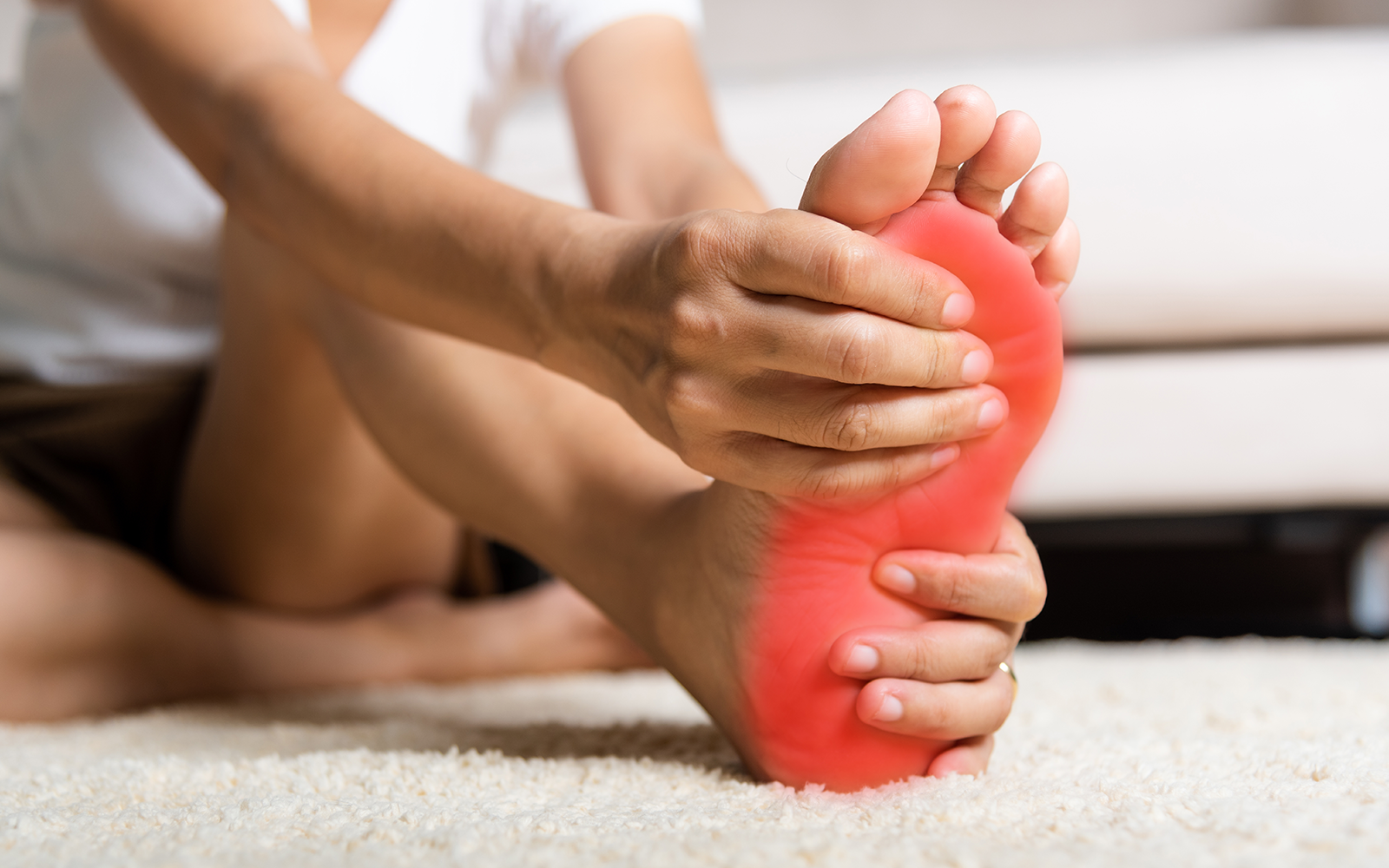
Flat feet, or pes planus, occur when the arch of the foot collapses partially or fully, causing the entire sole to make contact with the ground. While some people with flat feet experience no symptoms, others develop significant pain and functional limitations over time.
The most common painful form in adults is adult acquired flatfoot, a progressive condition caused by deterioration of the posterior tibial tendon the key structure that supports the inner arch. When left untreated, this evolves into progressive collapsing foot deformity, a complex deformity involving the hindfoot, midfoot, and forefoot that demands comprehensive intervention.
It's Not Just Flat Arches
A variety of overlapping problems that go well beyond the arch itself are commonly present in patients with flatfoot:
- Treatment requirements for arch pain: a burning or hurting feeling along the inner foot
- Requirements for treating heel pain, including heel spur and plantar fasciitis
- Treatment for metatarsalgia to relieve pain over the ball of the foot
- Treatment for midfoot arthritis to reduce swelling and stiffness in the midfoot joints
- Corn and callus therapy for skin accumulation brought on by an irregular distribution of pressure
- Treatment for Achilles tendon injuries brought on by increased tendon strain from malalignment
Early detection of these related symptoms enables a foot specialist to take action before the disease worsens and develops into a more complicated deformity.
The First Line of Conservative Flat Foot Treatment Without Surgery
A organised non-operative programme is the suggested first step for mild to moderate flat feet. The goals of this strategy are to lessen discomfort, enhance function, and delay the development of deformity.
Orthotics and Supportive Footwear
Custom arch supports redistribute load across the foot, providing immediate arch pain treatment relief. Combined with appropriate footwear, orthotics significantly reduce strain on the posterior tibial tendon and alleviate heel pain treatment needs such as plantar fasciitis treatment and heel spur treatment.
Physiotherapy and Strengthening
Targeted exercises strengthen the intrinsic foot muscles, the calf complex, and the posterior tibial tendon.
Surgical Flat Foot Treatment: When Conservative Care Is Not Enough
When non-operative measures fail to provide adequate relief or when imaging confirms significant structural collapse surgical flat foot treatment is indicated. Modern foot reconstruction surgery offers a highly personalised approach, addressing every element of the deformity.
Calcaneal Osteotomy
A calcaneal osteotomy repositions the heel bone to correct hindfoot valgus the outward tilt of the heel that accompanies most adult flatfoot deformities. By realigning the heel, this procedure redistributes weight through the foot, relieves arch and heel pain, and reduces stress on the ankle joint.
Tendon Repair Foot Surgery
Since posterior tibial tendon dysfunction drives adult acquired flatfoot, tendon repair foot surgery is often performed alongside bony corrections. In cases with severe tendon damage, a tendon transfer using a neighbouring healthy tendon restores the arch-supporting function that has been lost.
Flatfoot Reconstruction Surgery
For advanced progressive collapsing foot deformity, flatfoot reconstruction surgery combines multiple procedures calcaneal osteotomy, tendon repair, medial column stabilisation, and foot ligament repair into a single, coordinated surgical plan. This comprehensive foot reconstruction surgery approach corrects all planes of the deformity simultaneously, delivering the most durable and complete result.
Midfoot Arthritis and Lisfranc Injury Treatment
Long-standing flatfoot commonly damages the midfoot joints, requiring midfoot arthritis treatment or Lisfranc injury treatment as part of the overall reconstruction plan. In selected cases, arthroscopic ankle surgery is used to address associated ankle joint pathology with minimal soft tissue disruption, shortening recovery and reducing post-operative discomfort.
Flat Feet in Children: Early Intervention Matters
Not all flat feet in children require treatment flexible flatfoot in young children is often a normal developmental stage. However, persistent or rigid flatfoot beyond age eight warrants paediatric flatfoot treatment to prevent long-term gait problems. Associated issues such as intoeing in children and toe walking treatment may also need to be addressed, particularly when they affect posture and physical development.
High-Risk Patients: Diabetic and Neuropathic Flatfoot
For patients with diabetes or peripheral neuropathy, untreated flat foot deformity carries serious risks. Charcot foot treatment is a specialised form of flatfoot management that addresses the bone and joint destruction caused by neuropathic arthropathy. Alongside diabetic foot ulcer treatment, foot infection treatment, and limb salvage surgery when necessary, a multidisciplinary care approach is critical to preserving mobility and preventing amputation.
Take the First Step Towards Pain-Free Walking
Flat feet do not have to define the quality of your daily life. Whether you need targeted arch pain treatment, a comprehensive flatfoot reconstruction surgery plan, or specialist paediatric flatfoot treatment for your child, expert care tailored to your specific condition can transform the way you move. From conservative orthotics and PRP injection for foot pain to calcaneal osteotomy and foot deformity correction surgery, today's treatment options are more effective than ever before.
Do not wait for your symptoms to worsen. Schedule a consultation with a foot and ankle specialist today and take your first confident step towards a pain-free life.