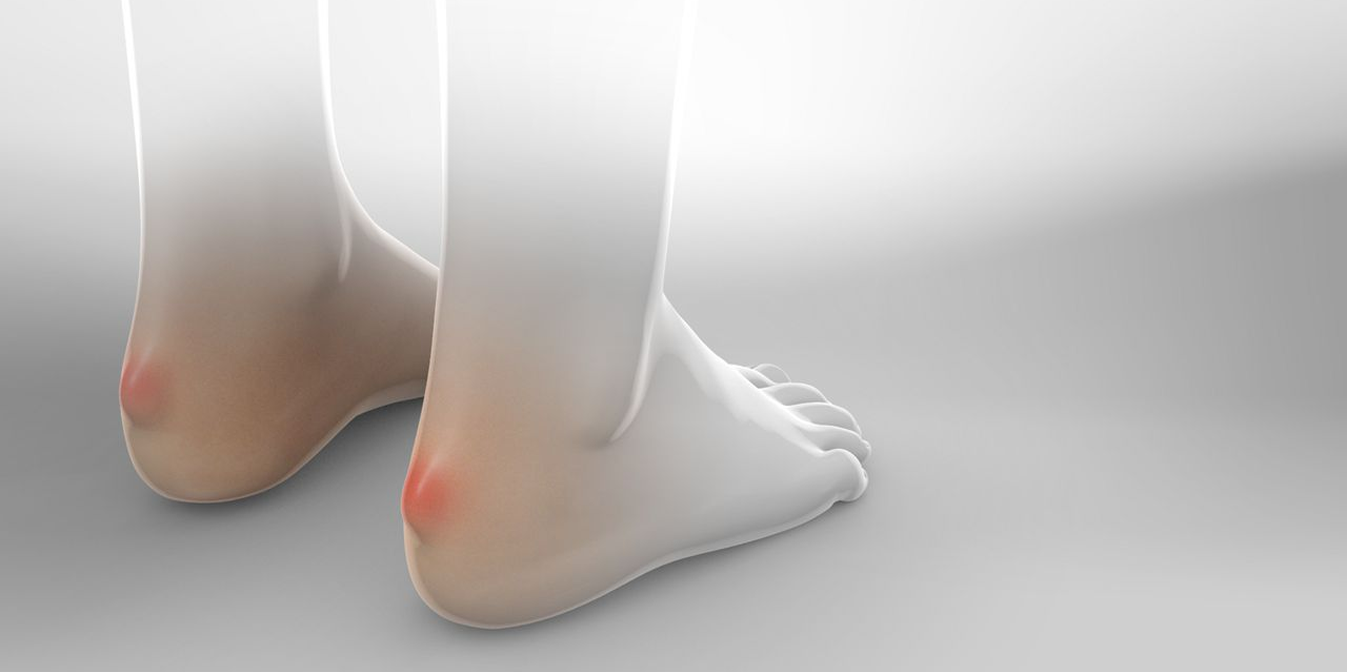
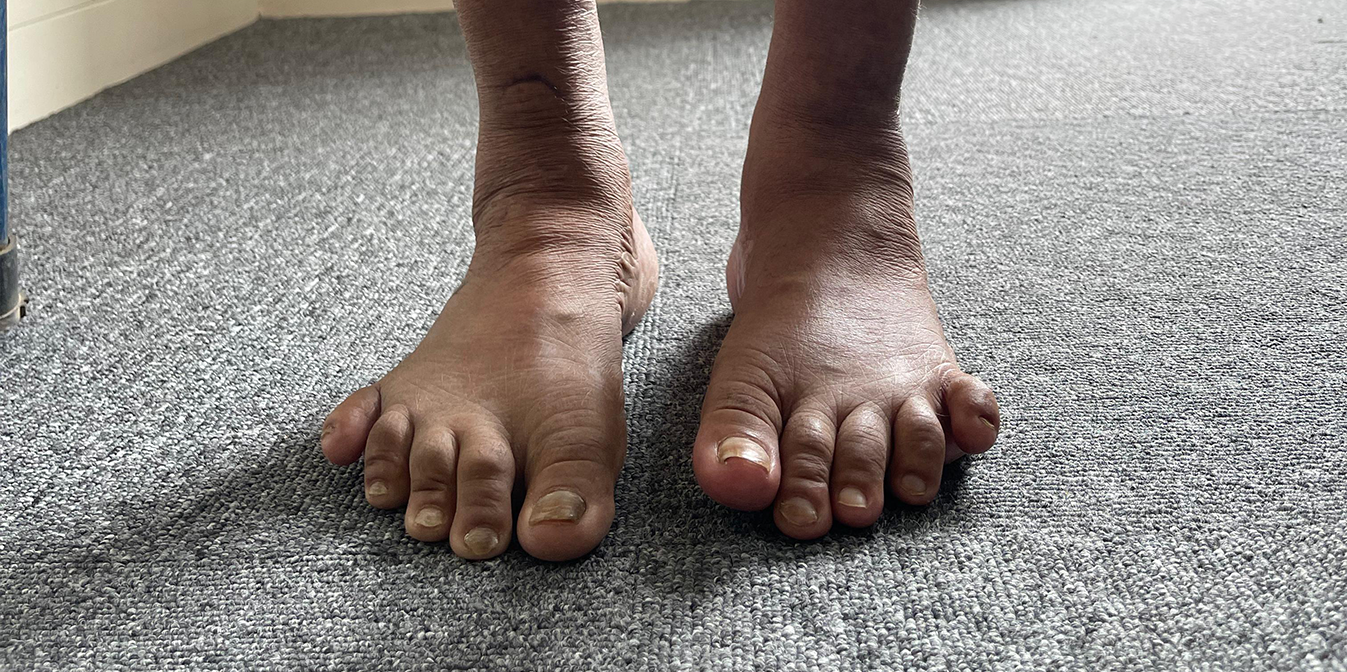
When the ankle joint wears down over time, simple movements like walking, climbing stairs, or standing for long hours can become a daily struggle. Ankle arthritis with deformity is more than just joint pain; it changes the very shape and alignment of the foot, making mobility difficult and uncomfortable.
What causes this condition, how to recognise its symptoms early, and the range of treatments available today, from conservative care to advanced surgical solutions?
What Is Ankle Arthritis with Deformity?
Ankle arthritis develops when the cartilage cushioning the ankle joint gradually wears away, causing the bones to rub against each other. When this damage progresses, it can pull the foot out of its natural alignment, leading to a visible deformity. This combination of arthritis and structural change often results in pain, stiffness, swelling, and an altered walking pattern that affects the entire lower limb.
Common Causes Behind the Condition
Several factors can contribute to ankle arthritis with deformity, including:
- Previous ankle injuries or fractures that healed improperly
- Long-standing flat foot conditions that gradually strain the joint
- Repeated ankle sprains that weaken supporting ligaments
- Rheumatoid arthritis or other inflammatory joint diseases
- Untreated Lisfranc injury that alters foot mechanics over time
- Age-related wear and tear of the cartilage
Understanding the root cause is essential because it shapes the entire treatment approach. We always begin by identifying whether the deformity stems from trauma, inflammatory disease, or a long-ignored structural issue like flat feet.
Recognising the Symptoms
The symptoms of ankle arthritis with deformity tend to build up gradually, but they shouldn't be ignored. Watch out for:
- Persistent pain that worsens with activity and improves with rest
- Visible tilting or bending of the foot and ankle
- Swelling around the joint, especially after walking
- Stiffness that makes it hard to flex or rotate the ankle
- Difficulty wearing regular footwear due to the altered shape
- A noticeable limp or change in walking pattern
If heel pain, persistent foot discomfort, or instability accompanies these symptoms, it's worth getting a proper evaluation rather than waiting for things to worsen on their own.
Non-Surgical Treatment Options
Not every case demands surgery right away. We often start with conservative management, including:
- Custom orthotics and supportive footwear to redistribute pressure
- Physiotherapy to strengthen surrounding muscles and improve flexibility
- Anti-inflammatory medications to manage pain and swelling
- PRP injection for foot pain, which uses the body's own healing platelets to reduce inflammation and support tissue repair
- Heel pain treatment combined with bracing for added joint support
These approaches work best in the earlier stages, when the deformity is mild and the joint damage hasn't progressed too far.
When Surgery Becomes Necessary
When conservative care no longer provides relief, surgical intervention may be the better path forward. Depending on the severity of arthritis and the extent of deformity, the options include:
- Arthroscopic ankle surgery , a minimally invasive technique used to clean out damaged tissue and address early-stage joint issues
- Foot ligament repair, recommended when weakened or torn ligaments contribute to instability and deformity
- Flatfoot reconstruction surgery, performed when an underlying flat foot condition has worsened the ankle's structural alignment
- Ankle replacement surgery, considered for advanced arthritis where preserving joint motion is the priority
- Ankle fusion surgery, an option when stability matters more than flexibility, particularly in severe deformity cases
As an experienced ankle sprain specialist, Dr. Harsh Vyas evaluates each case individually, weighing factors like age, activity level, and the degree of deformity before recommending the most suitable surgical path.
Addressing Related Foot Conditions
Ankle arthritis with deformity rarely exists in isolation. It often overlaps with other foot concerns that need simultaneous attention, such as:
- Flat foot treatment for patients whose arch collapse has contributed to abnormal joint loading
- Lisfranc injury treatment for those whose midfoot trauma has altered overall foot mechanics
- Intoeing in children, which, if left unaddressed early, can influence alignment patterns later in life
Treating these connected issues alongside the primary arthritis ensures longer-lasting results and reduces the chances of the deformity returning after treatment.
Why Early Evaluation Matters
The earlier ankle arthritis with deformity is identified, the more treatment options remain on the table. Waiting too long often narrows the choices down to surgery alone, while early intervention allows for a broader mix of non-surgical and minimally invasive solutions.
We believe that every foot and ankle problem deserves a personalised assessment rather than a one-size-fits-all approach. Whether it's a fresh sprain, long-standing flat feet, or progressing arthritis, getting the right diagnosis early makes all the difference in preserving mobility and comfort.
Ankle arthritis with deformity can feel overwhelming, especially when it starts affecting everyday movement. But with the right combination of diagnosis, conservative care, and, when needed, surgical correction, most patients can regain comfortable mobility. If you're experiencing persistent ankle pain, visible deformity, or difficulty walking, don't wait for it to worsen.
Book a consultation with Dr. Harsh Vyas today and take the first step toward healthier, pain-free movement.